Bedside Food Ordering Systems: Complete Implementation Guide for SA Hospital Decision-Makers
South African hospitals face mounting pressure to improve patient satisfaction whilst maintaining strict dietary compliance and operational efficiency. Bedside food ordering systems represent a proven solution that addresses these challenges simultaneously, delivering measurable outcomes in patient care quality and operational cost reduction.
Understanding Bedside Food Ordering Technology
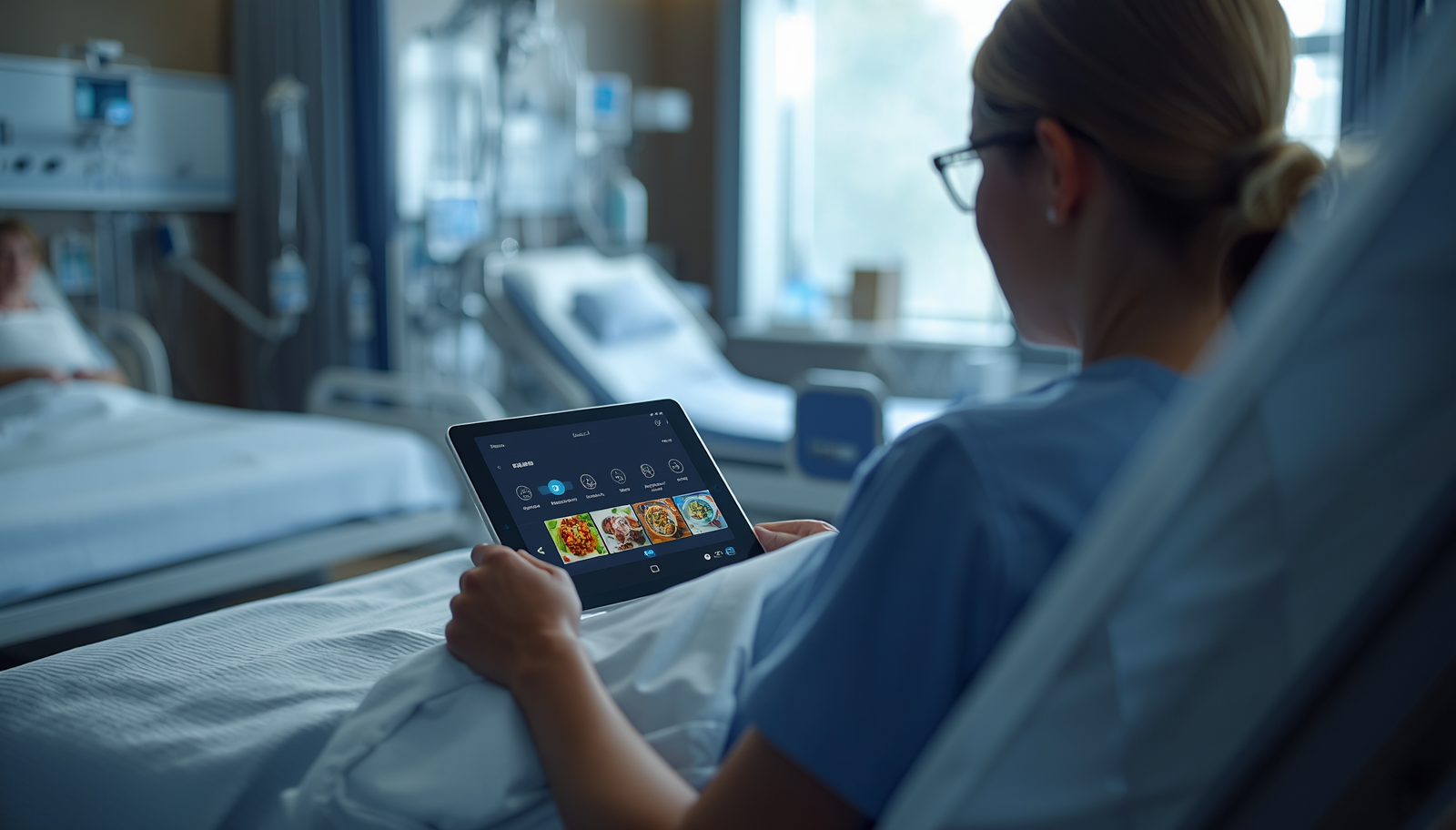
Bedside ordering transforms the traditional paper-based meal selection process into a digital workflow. Patients use bedside tablets or personal devices to select meals that automatically filter based on their prescribed diet restrictions. The system integrates directly with hospital information systems, ensuring dietary compliance whilst eliminating manual transcription errors.
Modern bedside food ordering platforms like MediCater provide real-time inventory management, automatic allergen flagging, and direct integration with kitchen workflow systems. This technological approach reduces meal round duration by up to 40% whilst improving dietary adherence rates.
Critical Implementation Considerations
Infrastructure Requirements
Successful deployment requires robust Wi-Fi coverage across all patient areas. Network redundancy is essential—system downtime directly impacts meal service delivery. Most implementations require bandwidth allocation of 2-5 Mbps per concurrent user, with peak usage occurring during standard meal ordering windows.
Device management represents another crucial consideration. Hospitals typically choose between dedicated bedside tablets, BYOD integration, or hybrid approaches. Each option carries distinct implications for infection control, device sanitisation protocols, and IT support requirements.
Clinical Integration Points
Bedside ordering systems must integrate seamlessly with existing clinical workflows. Diet order modifications from dietitians and medical staff require real-time synchronisation. The system should automatically flag potential allergen conflicts and dietary restriction violations before order completion.
Integration with patient management systems ensures meal ordering reflects current admission status, dietary prescriptions, and discharge scheduling. This connectivity prevents meal waste and ensures appropriate nutritional support throughout the patient journey.
Staff Training and Change Management
Implementation success depends heavily on comprehensive staff training across multiple departments. Kitchen staff require training on digital order receipt and preparation workflows. Nursing staff need familiarity with patient assistance protocols and basic troubleshooting procedures.
Dietary staff must understand new reporting capabilities and intervention processes when dietary compliance issues arise. Effective change management addresses concerns about technology adoption whilst highlighting improved efficiency and patient satisfaction outcomes.
Measuring Implementation Success
Key Performance Indicators
Successful bedside food ordering implementations demonstrate measurable improvements across multiple metrics. Patient satisfaction scores typically increase by 15-25% within the first quarter post-implementation. Dietary compliance rates improve significantly due to automated restriction enforcement and allergen warnings.
Operational metrics show equally impressive gains. Meal round duration decreases substantially when nursing staff no longer collect paper menus manually. Kitchen efficiency improves through better demand forecasting and reduced last-minute order changes.
Cost-Benefit Analysis
Initial implementation costs typically achieve payback within 18-24 months through reduced labour requirements and improved operational efficiency. Paper elimination generates immediate cost savings whilst supporting sustainability initiatives. Reduced food waste through accurate demand forecasting provides ongoing financial benefits.
Practical Implementation Example
Groote Schuur Hospital's pilot implementation of bedside ordering technology in their cardiac ward demonstrated the system's potential impact. Over six months, the 300-bed hospital experienced a 30% reduction in meal service time, 95% patient satisfaction improvement, and zero dietary compliance violations.
The implementation process began with infrastructure assessment and Wi-Fi enhancement across the target ward. Staff training occurred in phases, starting with dietary and kitchen personnel, followed by nursing staff. Patient education materials were developed in multiple languages to ensure accessibility across diverse patient populations.
Integration with the hospital's existing patient management system required two weeks of technical configuration and testing. The phased rollout approach allowed for workflow refinement and issue resolution before full deployment.
Regulatory and Compliance Considerations
South African healthcare catering operations must comply with specific regulatory requirements regarding patient nutrition and dietary management. Bedside ordering systems must maintain comprehensive audit trails documenting all dietary orders, modifications, and compliance interventions.
The system should support documentation requirements for clinical governance and quality assurance processes. Integration with hospital risk management systems ensures appropriate escalation of dietary compliance issues and allergen exposure incidents.
Selecting the Right Technology Partner
Healthcare catering technology requires specialised expertise and ongoing support. Evaluation criteria should prioritise clinical integration capabilities, regulatory compliance features, and local support availability. The chosen platform must demonstrate scalability to support hospital-wide deployment and integration with multiple clinical systems.
Consider the vendor's track record in South African healthcare environments and their understanding of local regulatory requirements. Ongoing technical support and system updates represent critical factors in long-term implementation success.
Transform your hospital's meal service delivery with proven bedside food ordering technology. MediCater's comprehensive platform delivers measurable improvements in patient satisfaction, dietary compliance, and operational efficiency. Contact our healthcare catering specialists today to schedule a demonstration and discuss implementation timelines tailored to your facility's specific requirements.